Last year, I’ve acquired three “turn of the century (x2)” lenses and never had the opportunity to used them since I do not have a proper studio camera to mount them on. After talking to Will Dunniway on the first day of our collodion workshop regarding these lenses, he kindly offered to test all three of them for me. Here are his findings…
—————-
Many thanks to Randy Estudillo, owner of all these lenses used here in this visual and performance test.
The lenses ALL proved well, but two suffered some plate collodion issues. Read on>>>Will Dunniway
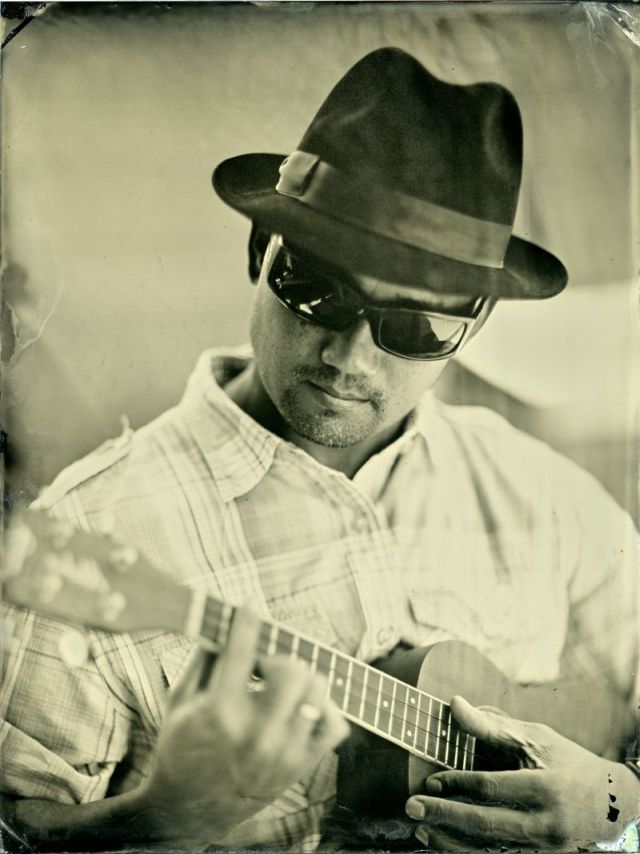
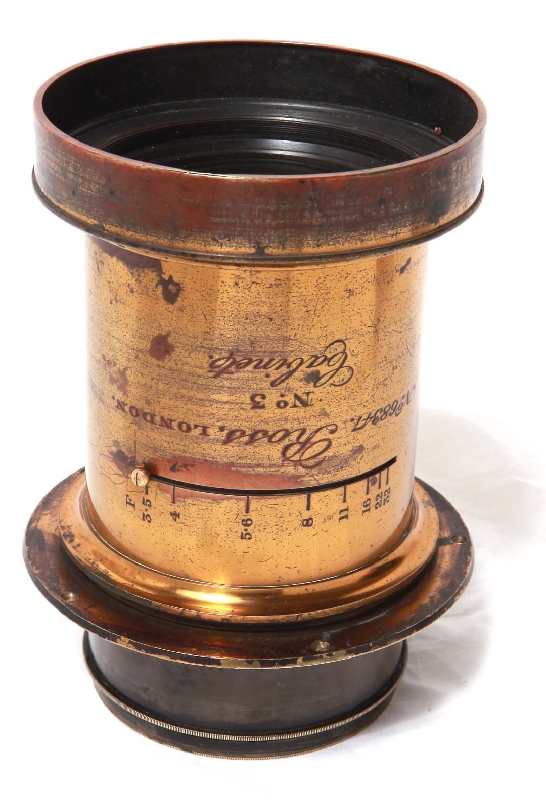
ROSS No. 3 Cabinet 8×10 lens. No.68347
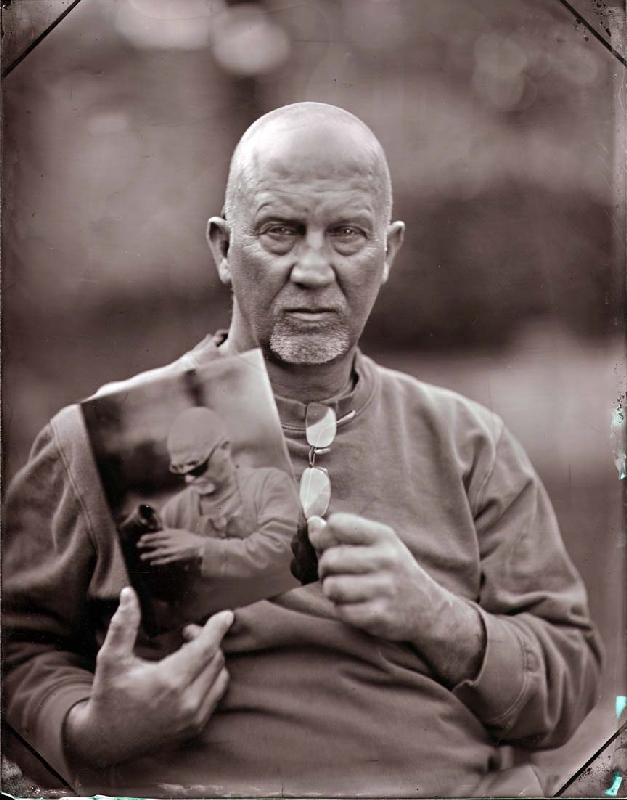
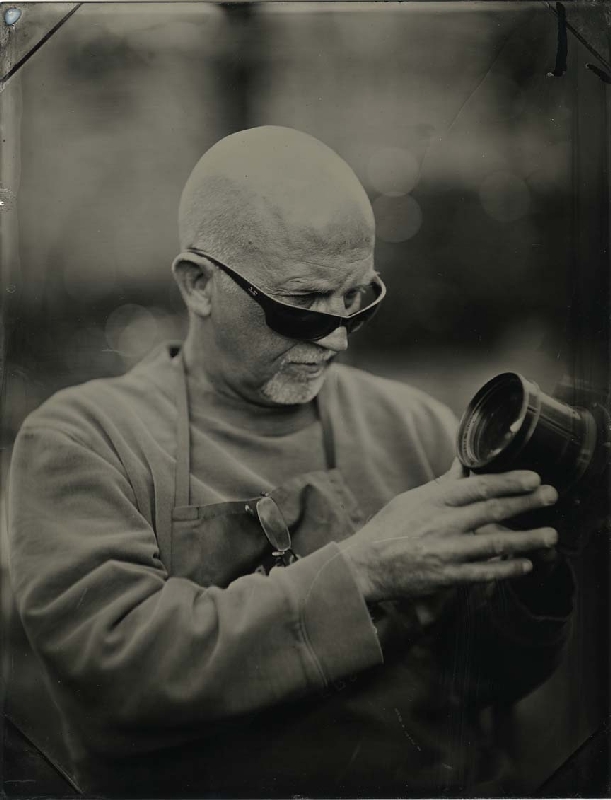
The ROSS Cabinet No. 3 was spectacular. Matt Blais of Riverside, California posed for these images during a tutoring session. He is holding a tintype he made. It was cloudy the first day, then turned into a down pour of rain. My exposure in the rain was 22 second, wide open. The next day with no clouds or rain, it was 10 seconds, wide open with indirect light. Whole Plate Collodion glass negative
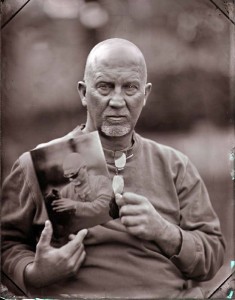
Matt Blais by Matt Blais. Tutoring image, collodion glass negative
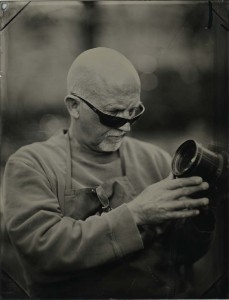
Matt Blais by Matt Blais. Tutoring image. Tintype
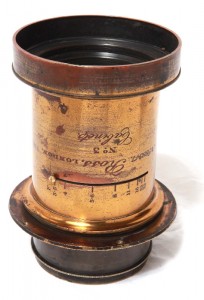
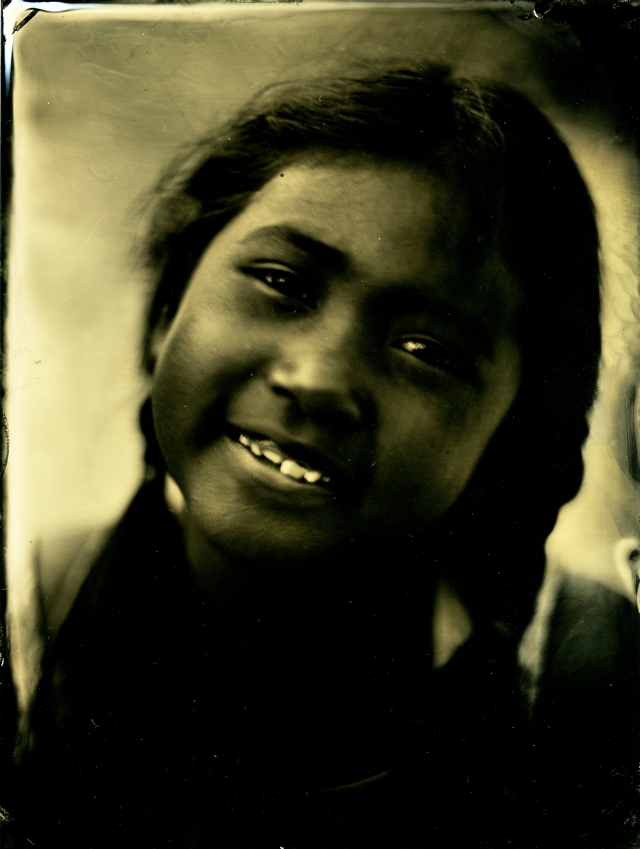
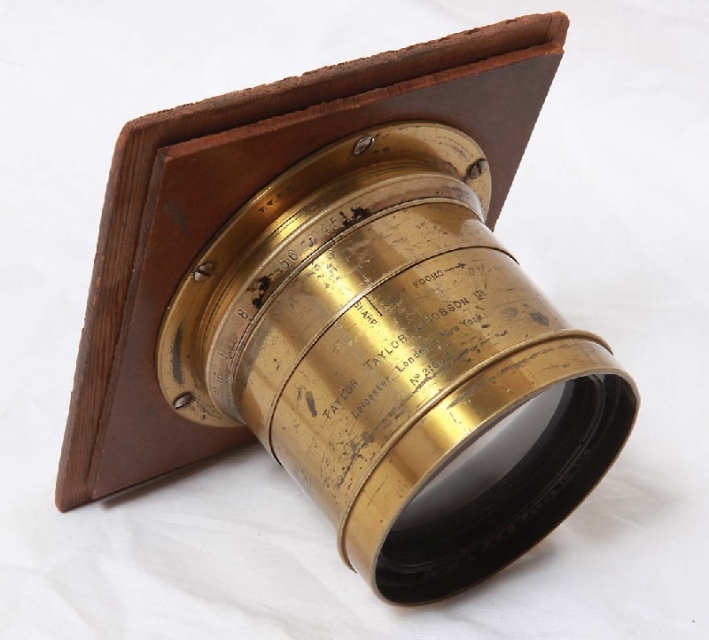
Taylor Taylor Hobson, Cooke, f4.5, Anastigmat, series II 8×10 lens soft focus, No. 21663
I made images with the Taylor Taylor Hobson – Cooke, 14 in BF., f4.5, Anastigmat, series II lens this week I only did a tintype because I did not have a sheet of glass this size ready and it was a last minute image on the fly. The image was perfect in the tray, but the highlights blocked out due to the ammonium in my bromide. I am dropping this from my collodion formula for a while because my images from time to time dry lighter. Great for landscapes, but this does not help with portraiture. Very frustrating. The new ammonium bromide I am using must have changed (this is a relative new problem) in the new batches I am being sold. More testing here.
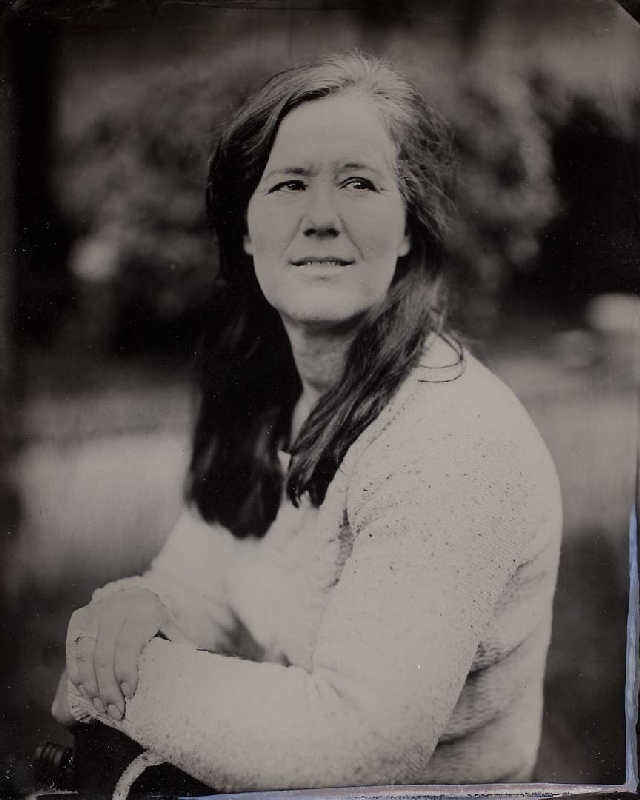
This Cooke lens was mounted on my 12×10, 1875 English, Henry Moorse front board camera. It filled it with more image to spare – even though it is listed as a 8×10 plate lens. It has a 14″ BF. i.e. a 12×10 + plate lens with soft focus built in. My exposure was f8 at 15 second. Very, very nice lens despite the highlights being a tad over-exposed in the dry off. I wish this lens was mine.
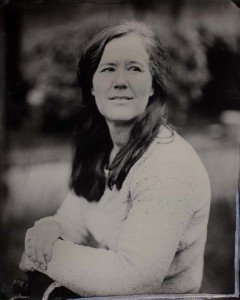
My wife. Frances Dunniway by Will Dunniway. 12×10 tintype.
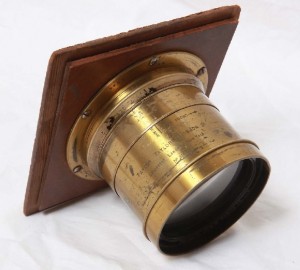
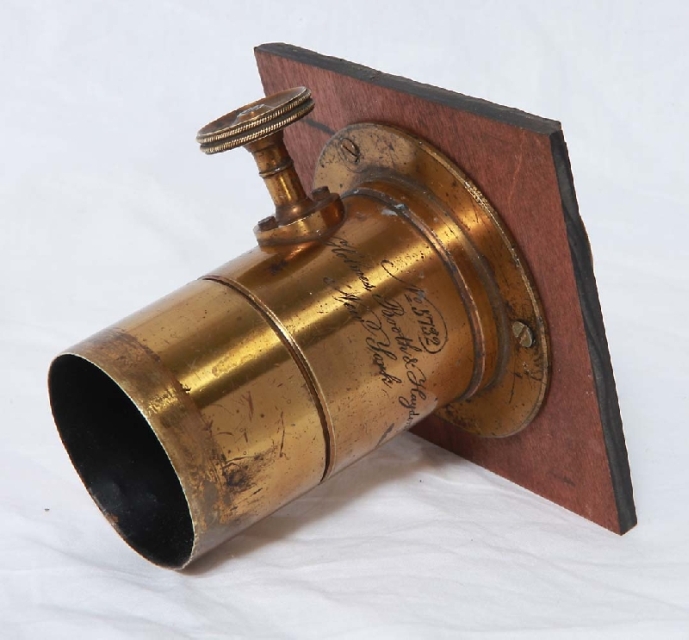
Holmes Booth & Hayden 1859 Half plate Petzval lens. No. 5732
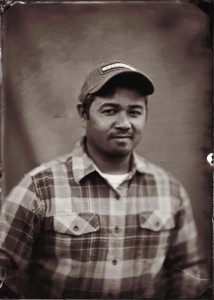
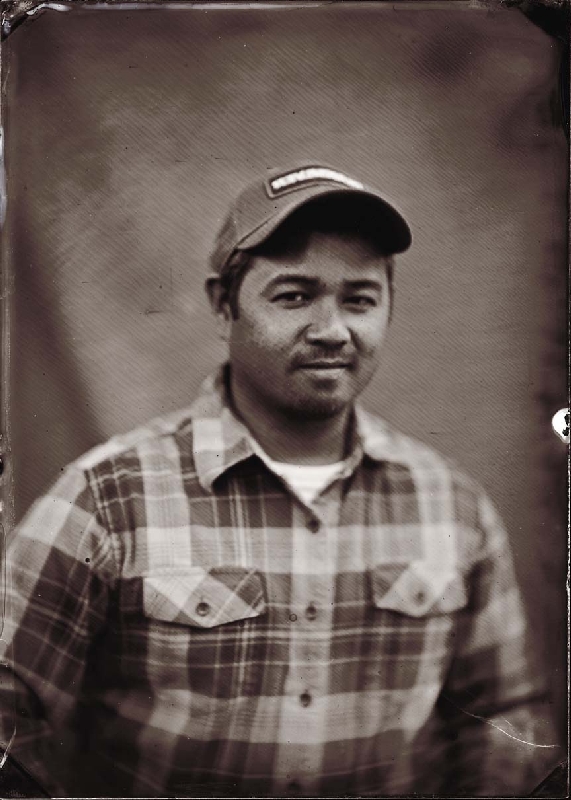
Randy Estudillo by Randy Estudillo in workshop with Will Dunniway. Whole plate collodion glass negative
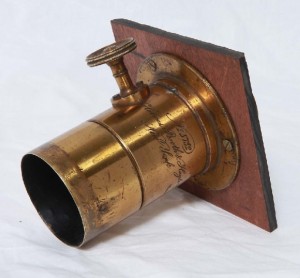
This is another one of those sweet Holmes Booth & Hayden, New York made petzval lenses. It is the kind of optic that once you own it, you should never sell it.
This workshop collodion glass negative image is not representative of it’s performance at all, but it is all I have. Randy took the lens home. This collodion glass negatives detail and its nice sweet spot was muted by using a ‘green collodion’ that was cloudy and had too much water in it. This caused the ‘crepe’ lines throughout the image. I need to spend some more time with this jewel of brass and glass.
Exposure was 10 seconds wide open. The lens is a half plate that was made around 1859-60.
Will Dunniway
2188 Turnberry Lane
Corona, CA 92881-7439
http://www.collodion-artist.com
Many thanks to Randy Estudillo, owner of all these lenses used here in this visual and performance test.
The lenses ALL proved well, but two suffered some plate collodion issues. Read on>>>Will Dunniway
ROSS No. 3 Cabinet 8×10 lens. No.68347
The ROSS Cabinet No. 3 was spectacular. Matt Blais of Riverside, California posed for these images during a tutoring session. He is holding a tintype he made. It was cloudy the first day, then turned into a down pour of rain. My exposure in the rain was 22 second, wide open. The next day with no clouds or rain, it was 10 seconds, wide open with indirect light. Whole Plate Collodion glass negative

Matt Blais by Matt Blais. Tutoring image, collodion glass negative

Matt Blais by Matt Blais. Tutoring image. Tintype

Taylor Taylor Hobson, Cooke, f4.5, Anastigmat, series II 8×10 lens soft focus, No. 21663
I made images with the Taylor Taylor Hobson – Cooke, 14 in BF., f4.5, Anastigmat, series II lens this week I only did a tintype because I did not have a sheet of glass this size ready and it was a last minute image on the fly. The image was perfect in the tray, but the highlights blocked out due to the ammonium in my bromide. I am dropping this from my collodion formula for a while because my images from time to time dry lighter. Great for landscapes, but this does not help with portraiture. Very frustrating. The new ammonium bromide I am using must have changed (this is a relative new problem) in the new batches I am being sold. More testing here.
This Cooke lens was mounted on my 12×10, 1875 English, Henry Moorse front board camera. It filled it with more image to spare – even though it is listed as a 8×10 plate lens. It has a 14″ BF. i.e. a 12×10 + plate lens with soft focus built in. My exposure was f8 at 15 second. Very, very nice lens despite the highlights being a tad over-exposed in the dry off. I wish this lens was mine.

My wife. Frances Dunniway by Will Dunniway. 12×10 tintype.

Holmes Booth & Hayden 1859 Half plate Petzval lens. No. 5732

Randy Estudillo by Randy Estudillo in workshop with Will Dunniway. Whole plate collodion glass negative
This is another one of those sweet Holmes Booth & Hayden, New York made petzval lenses. It is the kind of optic that once you own it, you should never sell it.
This workshop collodion glass negative image is not representative of it’s performance at all, but it is all I have. Randy took the lens home. This collodion glass negatives detail and its nice sweet spot was muted by using a ‘green collodion’ that was cloudy and had too much water in it. This caused the ‘crepe’ lines throughout the image. I need to spend some more time with this jewel of brass and glass.
Exposure was 10 seconds wide open. The lens is a half plate that was made around 1859-60.

Will Dunniway
2188 Turnberry Lane
Corona, CA 92881-7439
951-264-9839 Cell
http://www.collodion-artist.com